Horse property concrete in the Burbank Rancho's R-1-H zone
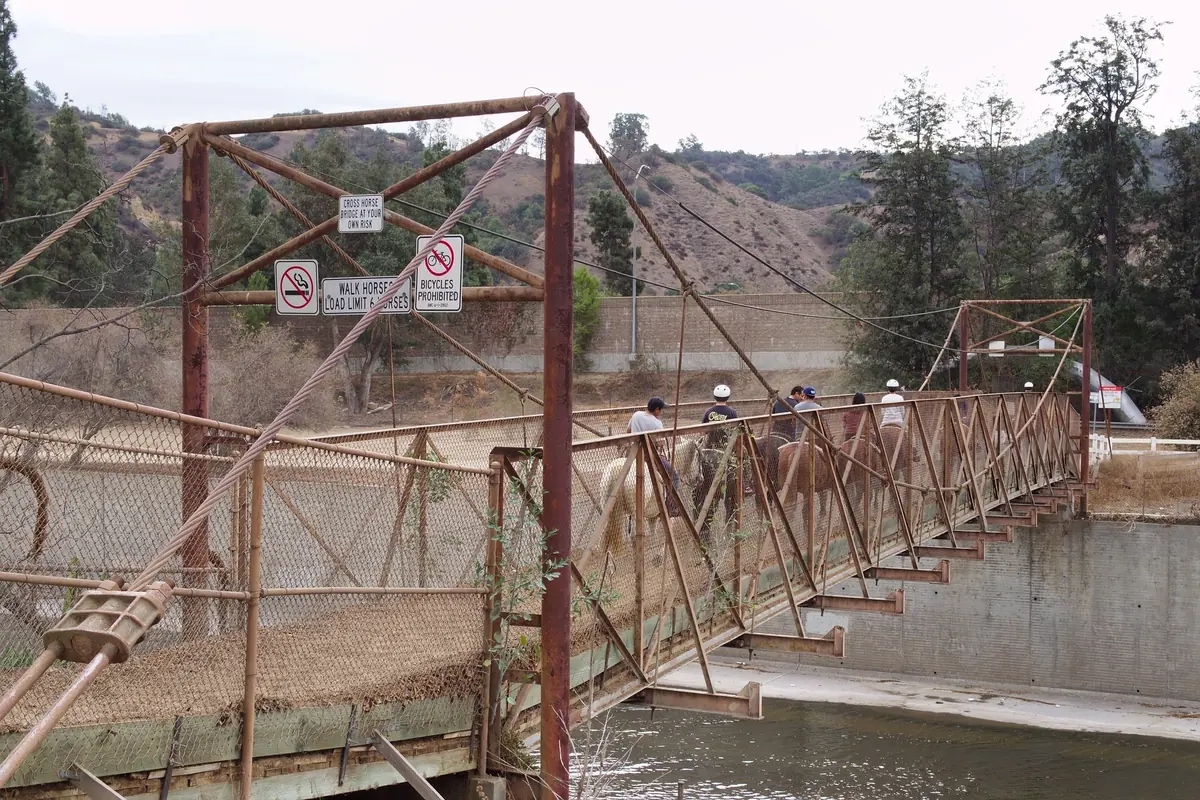
The Rancho Equestrian District runs along Burbank's southern edge, roughly between Griffith Park, Victory Boulevard, Olive Avenue and Alameda Avenue, with a piece of it across the city line in Glendale. On the Burbank side it is zoned R-1-H, the Single Family Residential Horsekeeping Zone. That "H" means horsekeeping, not hillside, and it is why so many Rancho houses have stables, stalls and riding gear in the backyard.
- Non-commercial stables go in the rear 35 feet of the lot (BMC 10-1-605).
- Stables sit at least 3 feet from the side and rear lot lines, with more distance where openings face a neighbor.
- Reinforced concrete and reinforced masonry are both listed as stable materials, along with wood and anything else the Building Division approves.
- Corrals also go in the rear 35 feet, inside the zone's fence, wall and setback rules.
- ADUs in R-1-H come only from converting an existing permitted garage, guest dwelling or main-house space, one per lot.
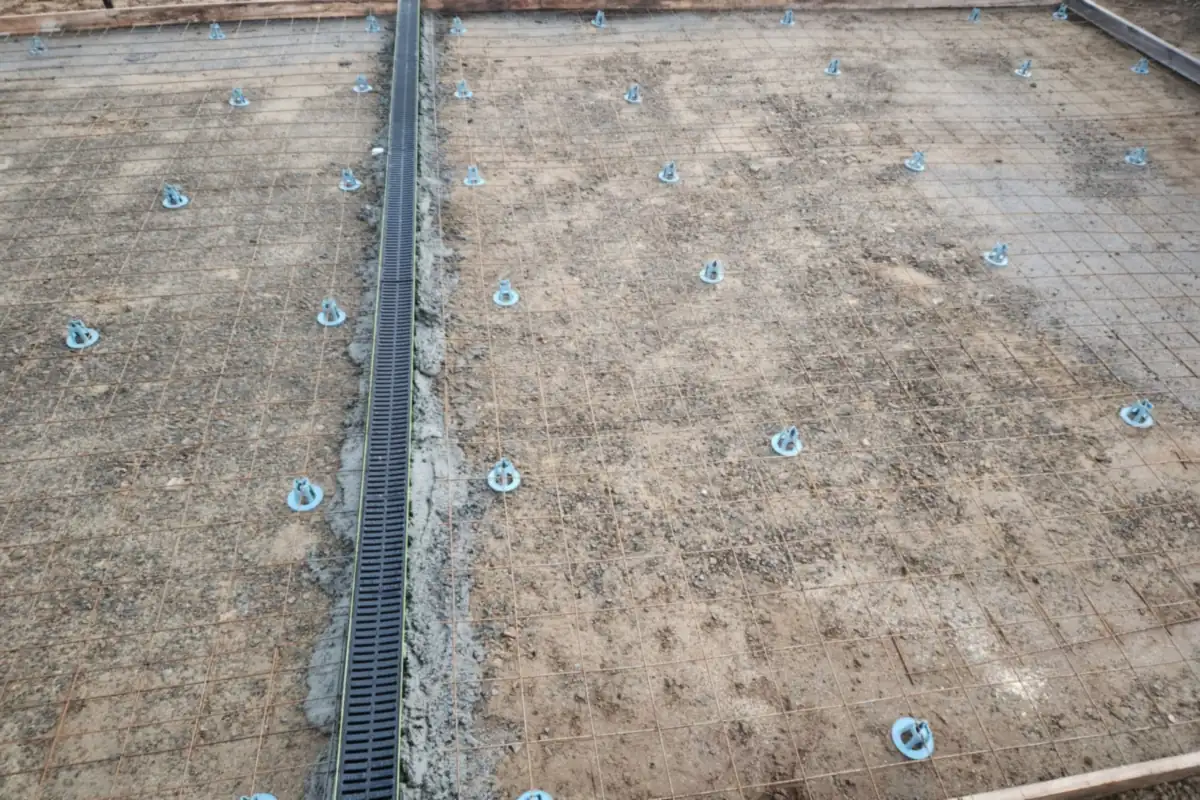
Rancho lots are on the valley floor, and the USDA soil survey puts them on the Urban land-Palmview-Tujunga complex: sandy, well-drained fan soil with a low shrink-swell rating. Water soaks away quickly where it isn't paved, so a slab's drainage plan is mostly about steering wash water and runoff away from stalls and the house. More on the ground under the city is in Burbank soil, faults and flood map.
Wash racks
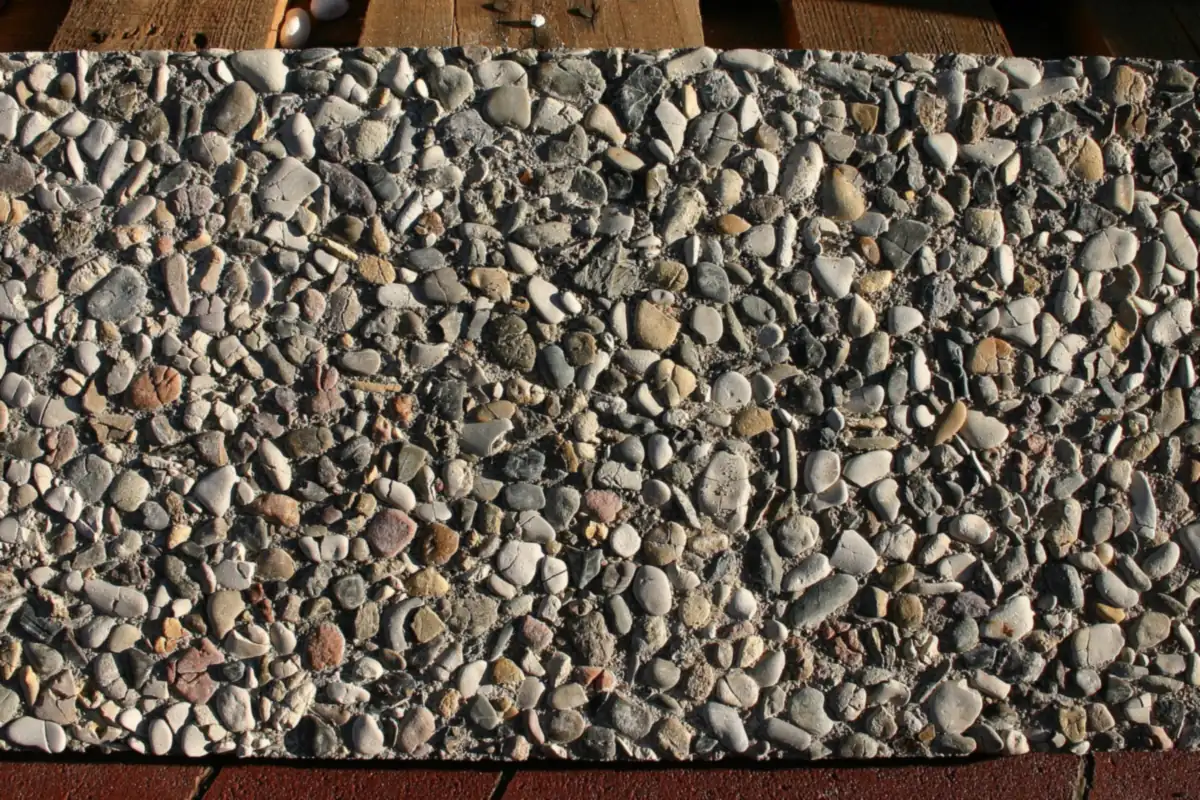
A wash rack is the one place on a horse property where concrete gets wet every day, under a large animal with steel shoes. Penn State Extension's guide to stable flooring recommends very rough or grooved concrete there because it is nonslip and impervious, with textured rubber mats over the concrete as another option. The floor falls toward a drain at the side or the back, never in the middle of where the horse stands and turns.
Barn aisles, stalls and pads
Aisles take hooves, wheelbarrows and, on many Rancho lots, a truck backing a trailer in. The same guide calls for roughened concrete only in aisles, since smooth concrete turns slippery with wear, and for 5 inches of concrete where vehicles use the alley. Under stalls, 4 inches is the minimum, poured level enough for mats and sloped about 1/4 inch per foot so wash water leaves. A steel-trowel finish, the glassy look common on garage floors, is wrong for every horse surface.
| Area | Finish | Slope | Thickness |
|---|---|---|---|
| Stall base | Wood-float or broom finish, under mats or bedding | 1 1/2 to 2 percent (1/4 in per ft) | 4 in minimum |
| Wash rack | Very rough or grooved; textured mats an option | Toward a drain at the side or back | Not given |
| Barn aisle or alley | Roughened only, never smooth | Not given | 5 in with moderate vehicle traffic |
Swipe sideways to see every column.
Driveways, walks and slabs on Rancho lots
The rest of a horse property is ordinary residential concrete with heavier use: a driveway that has to carry a truck and trailer, a walk from the house to the barn, a pad for a hay shed or a feed room. See concrete driveway replacement in Burbank, concrete slabs and pads and, for a converted garage, the ADU foundations in Burbank page. Which of these needs a permit is in the Burbank concrete permits guide, and the full service list is on the concrete contractor in Burbank homepage.