Commercial concrete contractor work in Burbank, by property
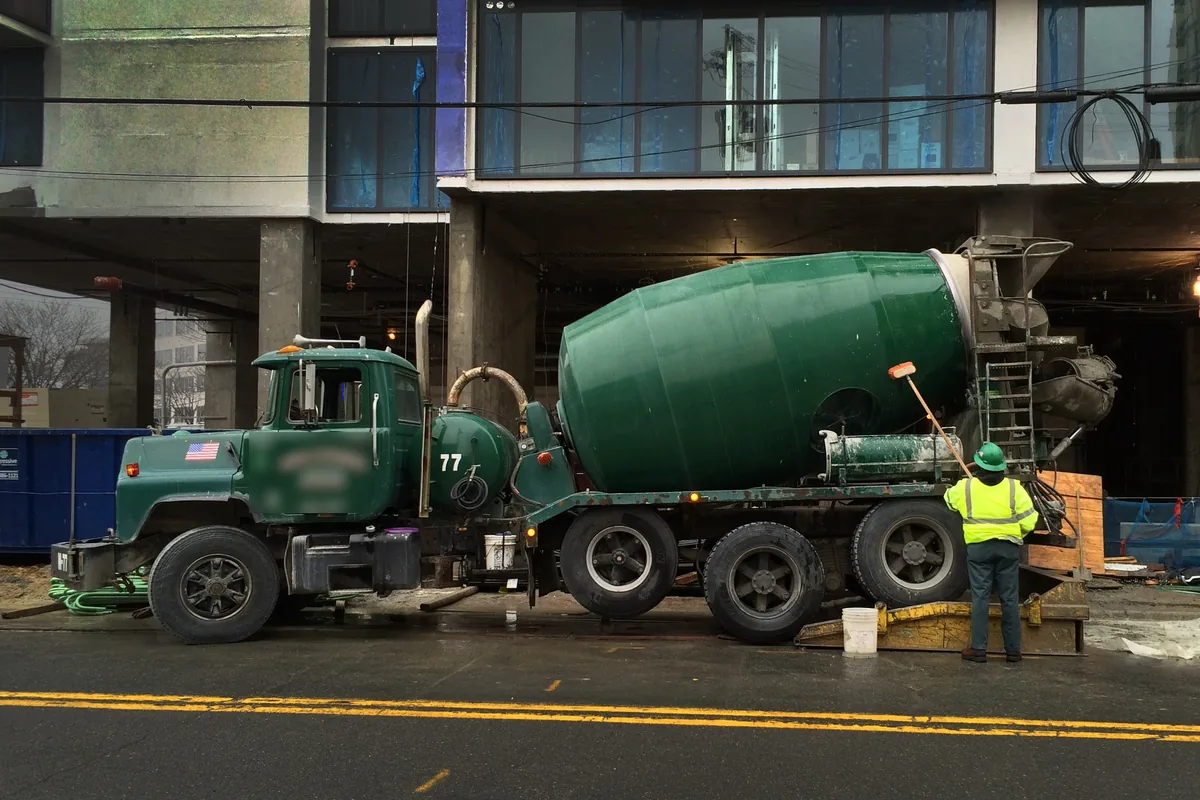
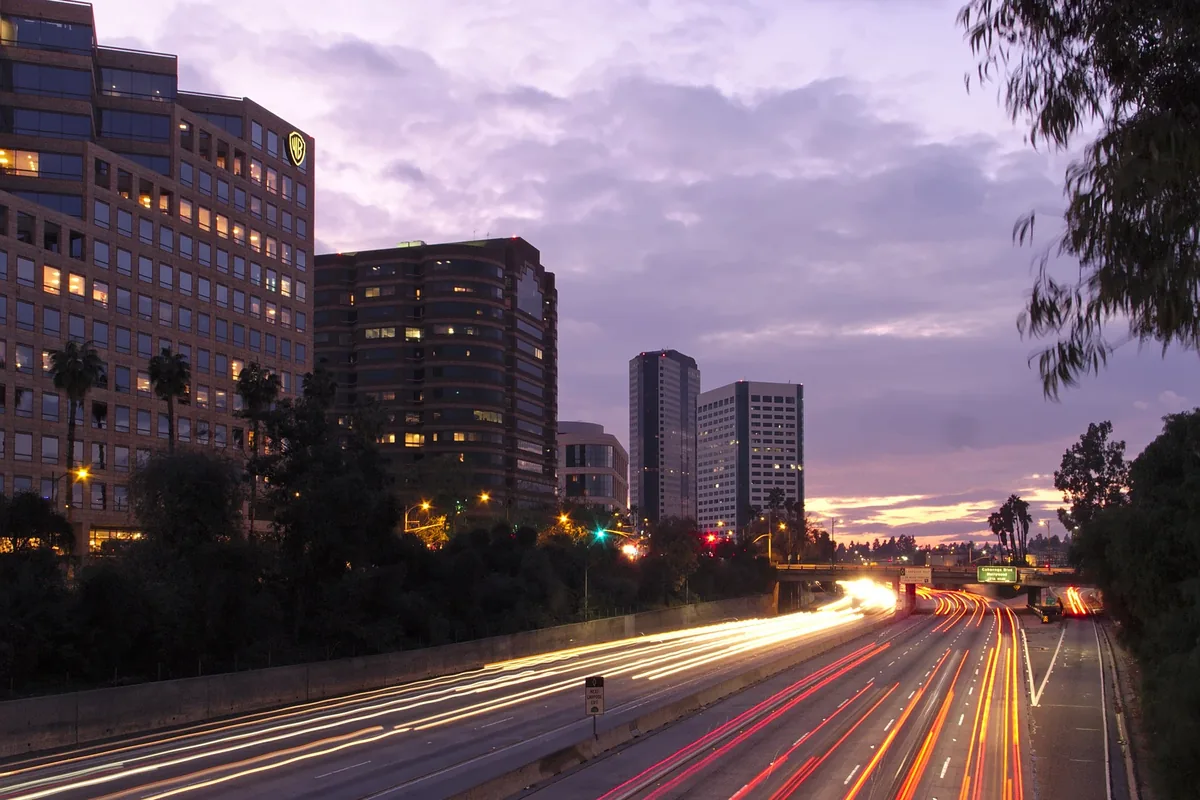
Burbank calls itself the Media Capital of the World, with more than 1,000 media and entertainment companies, and much of the city's commercial concrete sits around them: walks and slabs on and near the studio lots along the Media District, storefront sidewalks on Magnolia Boulevard and San Fernando Boulevard, and the aprons and trash pads behind apartment buildings across the flats. What changes from one to the next is who has to keep moving while the concrete is out.
| Property | Concrete it usually needs | The Burbank detail |
|---|---|---|
| Studio lots and Media District offices | Walks between buildings, equipment and loading slabs, entry plazas | Pours fit around the windows the facility manager sets |
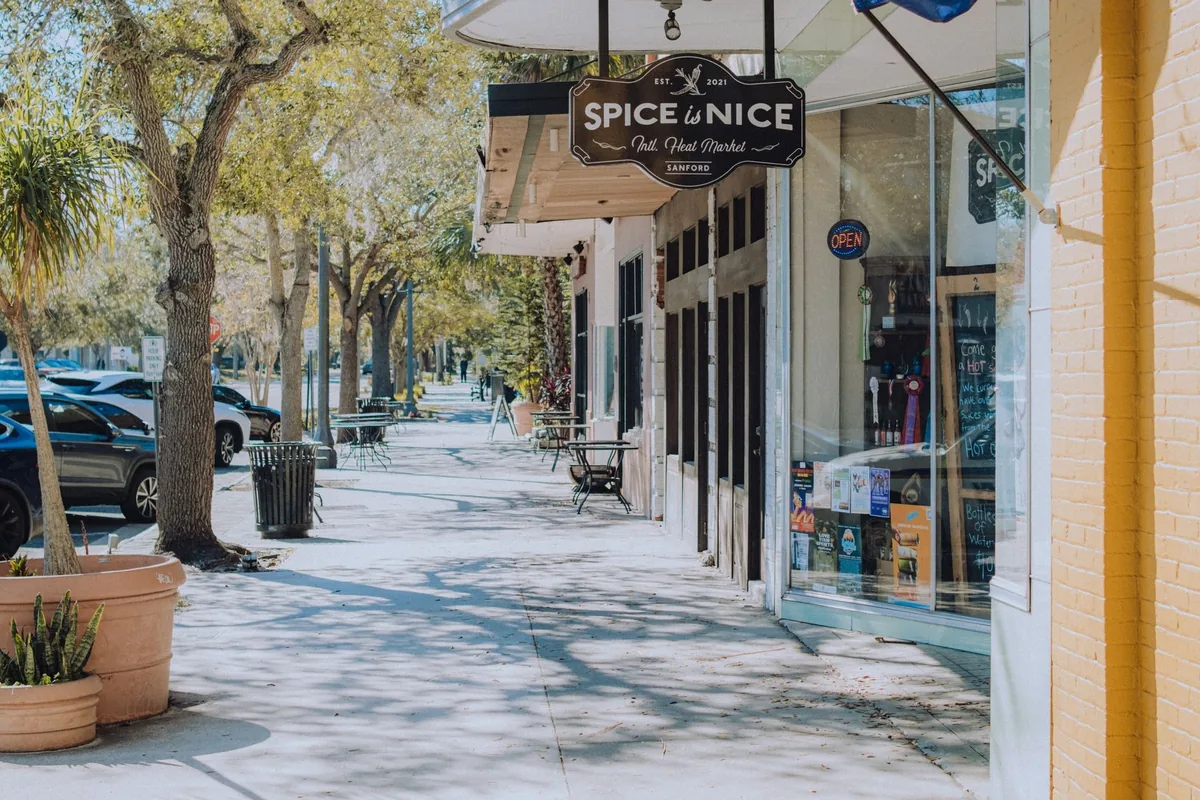
| Storefronts on Magnolia and San Fernando | Sidewalk panels, entry slabs, trip-edge repairs | The owner carries the sidewalk duty out front (BMC 7-3-501) |
| Apartment and condo buildings | Garage aprons, walks to lobbies, trash-enclosure pads | R-2 to R-5 zones: approaches capped at 17 ft (BMC 7-1-217) |
| Offices and medical buildings | Entry ramps and landings, parking slabs, wheel-stop pads | Walks on an accessible route are not permit-exempt |
Swipe sideways to see every column.
Residential-style jobs on commercial lots are common too. A medical office may need an ADA concrete ramp in Burbank at its entrance, and a mixed-use building with equipment on the ground may only need concrete slabs and pads for a condenser or a transformer.
What commercial concrete costs in Burbank
Commercial flatwork is priced on the same base as other concrete in the Los Angeles area, about $8 to $15 per square foot for a reinforced slab, then moves with thickness, access and how many phases the job is split into. These are the dated figures used across this site:
| Item | Range | Source |
|---|---|---|
| Reinforced flatwork (residential guide figure) | $8 to $15 per sq ft | constructlytools, May 19, 2026 |
| Breaking out and hauling old concrete | $1.40 to $2.30 per sq ft | constructlytools, May 19, 2026 |
| Pump truck when a mixer can't reach | $500 to $900 | constructlytools, May 19, 2026 |
| Public Works permit fee and deposit | Per Burbank's fee resolution | BMC 7-1-206 |
Swipe sideways to see every column.
Planning ranges from cost-guide sources, not a bid. After-hours pours, thicker slabs for trucks and extra phases raise the number; quotes vary by site.
The rules that shape a Burbank commercial job
- Approach width: 30 ft outside the residential zones and 17 ft in R-1 to R-5, with more only by the Public Works Director's approval (BMC 7-1-217).
- Excavation permit for any digging in the public right-of-way (BMC 7-1-206), with a fee and a deposit that guarantees the street is restored.
- Insurance before issuance: $1,000,000 aggregate general liability plus an additional insured endorsement naming the City (CG 20 12 or CG 20 26).
- A DigAlert ticket number before the City issues the excavation permit.
- Sidewalk cuts replaced to the nearest score line in sections at least 5 x 5 ft, with no more than a 2 percent cross fall toward the curb (City Standard Plan BS-104-1).
- Driveway and pedestrian access kept open at all times unless an alternate plan is approved; lane closures 8:30 a.m. to 3:30 p.m.
- No concrete wash water or other fluids into the street or storm drain without an NPDES permit.
- Roll-off bins in the street need a street use permit, valid for 14 days.
- Contractors not based in Burbank pay the City's business tax per job when the building permit is issued.
Parking lots and stormwater
Burbank's stormwater section for development planning (BMC 9-3-414, carrying out the Los Angeles regional MS4 permit) names parking lots of 5,000 square feet or more, or with 25 or more spaces, as Planning Priority Projects, and it treats a redevelopment that adds or replaces 5,000 square feet of hard surface on a developed site the same way. Below those lines, a parking slab is ordinary flatwork; above them, the drainage design comes before the concrete. The Burbank concrete permits guide covers where each permit comes from.
How a commercial pour is staged
- 1Walk the property with the manager
Where tenants, customers and deliveries move, what can close and for how long, and which hours the building allows noise and trucks. Phasing is settled before the price, because it changes the price.
- 2Sort the paperwork by side of the property line
Private-side work goes to Building and Safety when it isn't exempt. Anything past the line, such as the apron, curb or sidewalk, goes to Public Works with the insurance certificate and a DigAlert ticket. A roll-off bin in the street needs its own street use permit.
- 3Break out one section at a time
Half an apron, one run of sidewalk or the trash pad while the bins sit elsewhere. Sidewalk cuts in the street are squared off to the nearest score line, never patched in a sliver.
- 4Pour, tape off and reopen
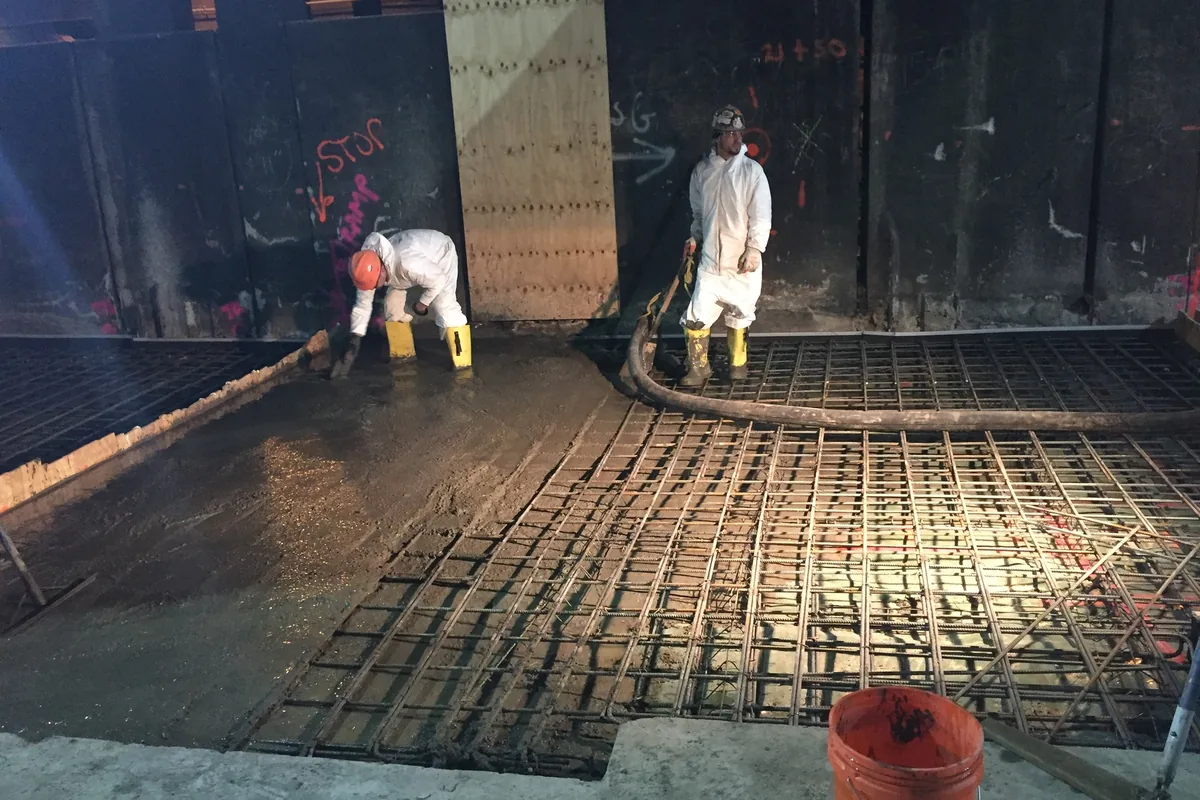
Fresh concrete is coned and taped while it cures. People can walk on it well before trucks and cars can; the reopening date goes on the written quote.
Sidewalks, curbs and aprons in the street have their own page: curb, gutter and sidewalk in Burbank, with the driveway approach and curb cut permit guide alongside it. Cracked walks that only need patching or grinding are concrete repair in Burbank, and homes are covered from the concrete contractor in Burbank homepage.