Who owns the curb, gutter and sidewalk in Burbank
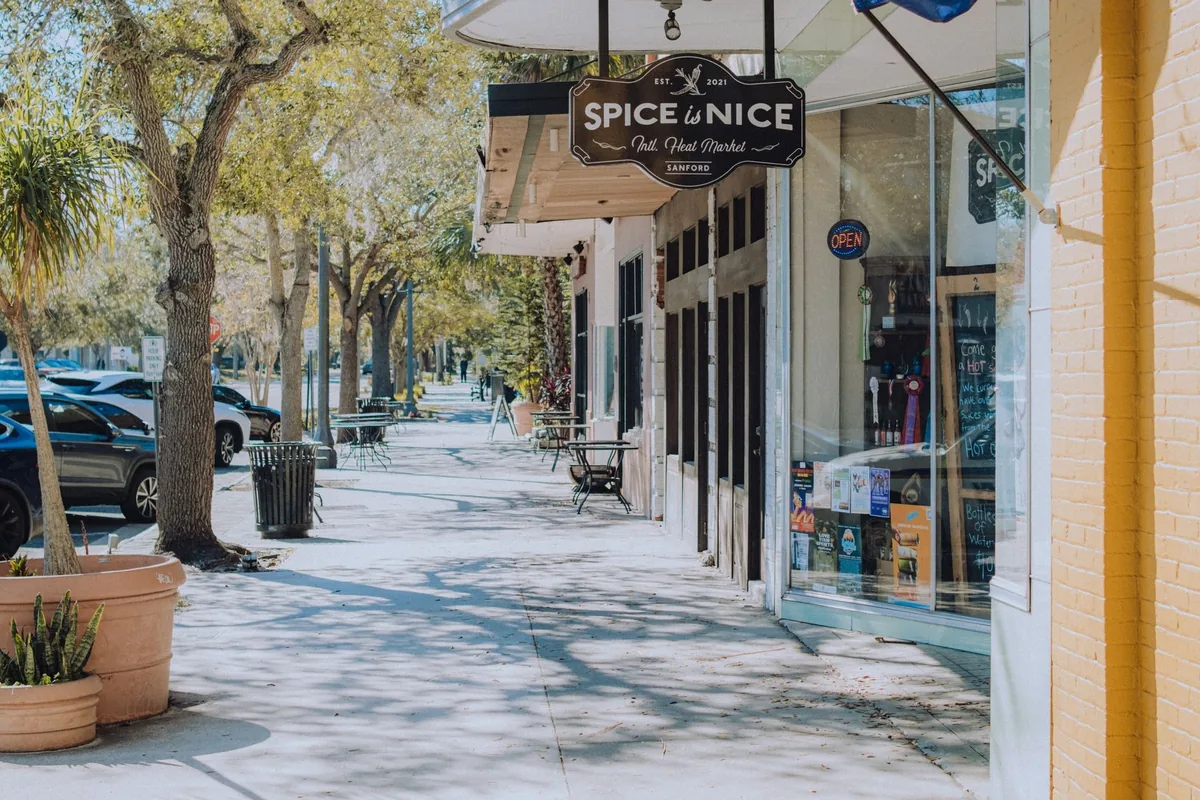
The concrete between your property line and the street is public right-of-way, but keeping it safe falls largely on the owner. Burbank Municipal Code 7-3-501 places a duty on property owners to maintain the sidewalk so it won't endanger people or property, and 7-3-502 defines that sidewalk broadly: curbing, parkways, parking strips, driveways and retaining walls between the property line and the roadway all count.
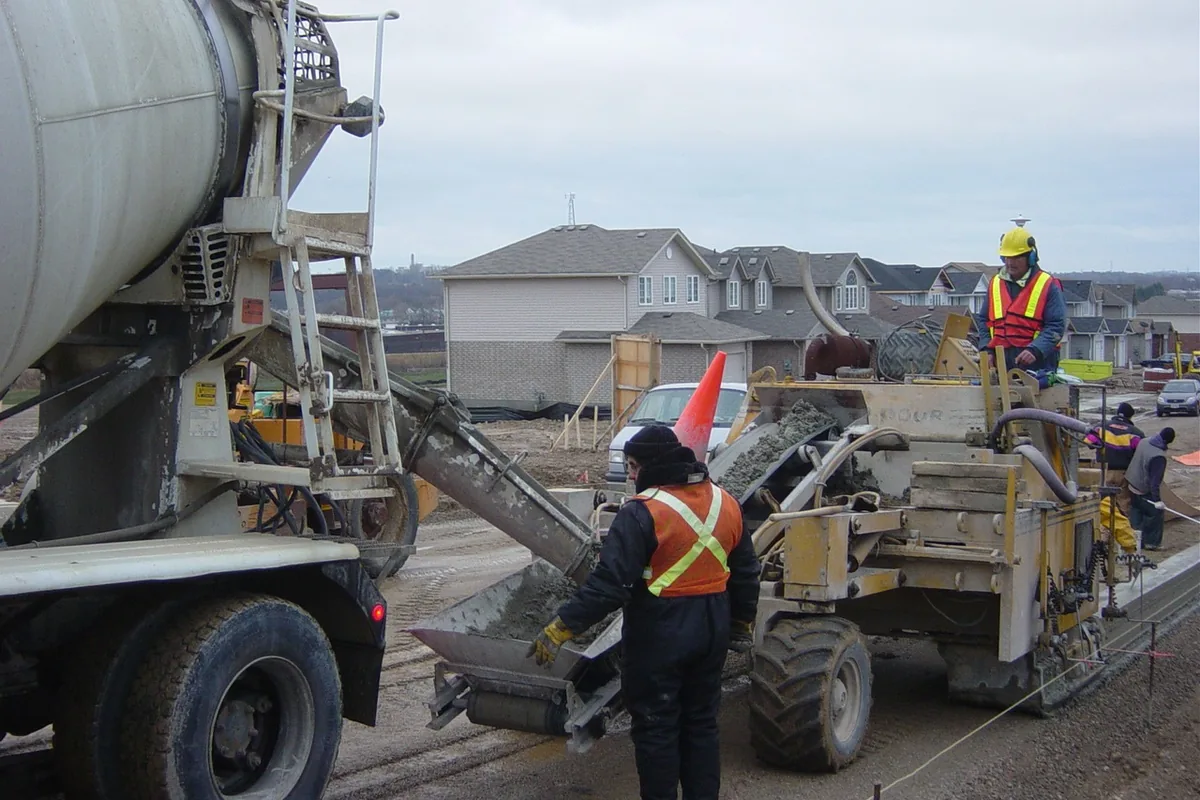
The City still runs its own crews. Burbank's Asphalt and Concrete Repair crew repairs potholes, damaged pavement, curbs, gutters, alleys and driveways, and damaged concrete can be reported through Our Burbank 311. When a city parkway tree is the cause, start with Street and Sidewalk Maintenance at (818) 238-3800; the Burbank sidewalk repair and street tree guide covers that conversation.
What the Public Works excavation permit requires
Digging, trenching or any concrete removal in the right-of-way needs an excavation permit under BMC Title 7, Chapter 1. The Public Works counter is at 150 North Third Street, (818) 238-3950. Before the permit issues:
- A DigAlert (Underground Service Alert) ticket number. State law asks for the call at least two working days and no more than 14 calendar days before digging, with the area marked first.
- A certificate showing at least $1,000,000 aggregate general liability, plus an additional insured endorsement naming the City (form CG 20 12 or CG 20 26). Without both, the permit isn't issued.
- The permit fee from the City's fee resolution and a deposit large enough to guarantee the street is restored (BMC 7-1-206).
- A street use permit for any roll-off bin set in the street; bin permits last 14 days and a refundable deposit may be required.
Burbank's sidewalk replacement standard
The City doesn't accept patches in the walk. Its excavation conditions require replacement sidewalk to match the existing finish and to run to the nearest score line, in sections no smaller than 5 by 5 feet. The finished walk can fall no more than 2 percent from its back edge to the face of the curb, per City Standard Plan BS-104-1, and backfill follows Standard Plan BS-110-1 and the Greenbook.
Why one bad panel often becomes three
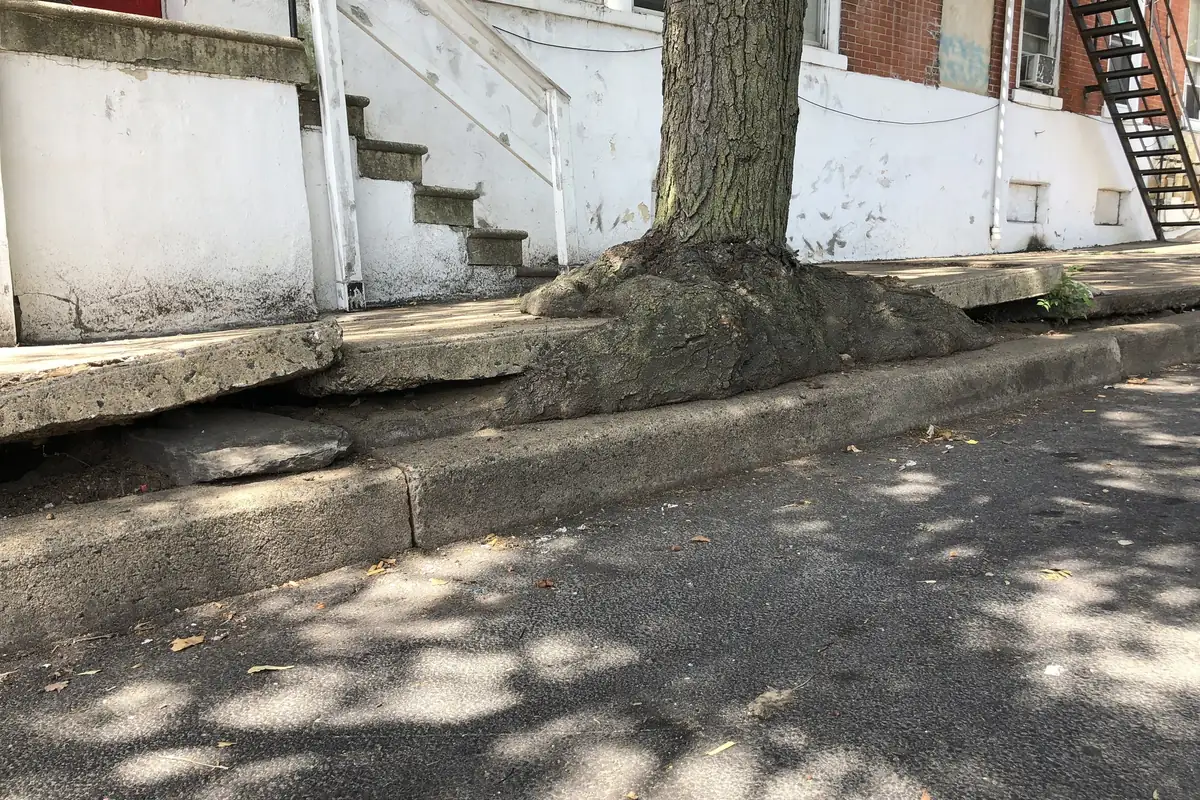
A root-lifted panel usually tilts its neighbors too. Once the new panel is set back to a 2 percent fall, the panels on either side may sit too high or too low to meet it flush, and the cross-fall rule then calls for replacing them as well. A careful walk of the frontage before the permit counts those panels up front instead of on pour day.
Curb, gutter and driveway approaches
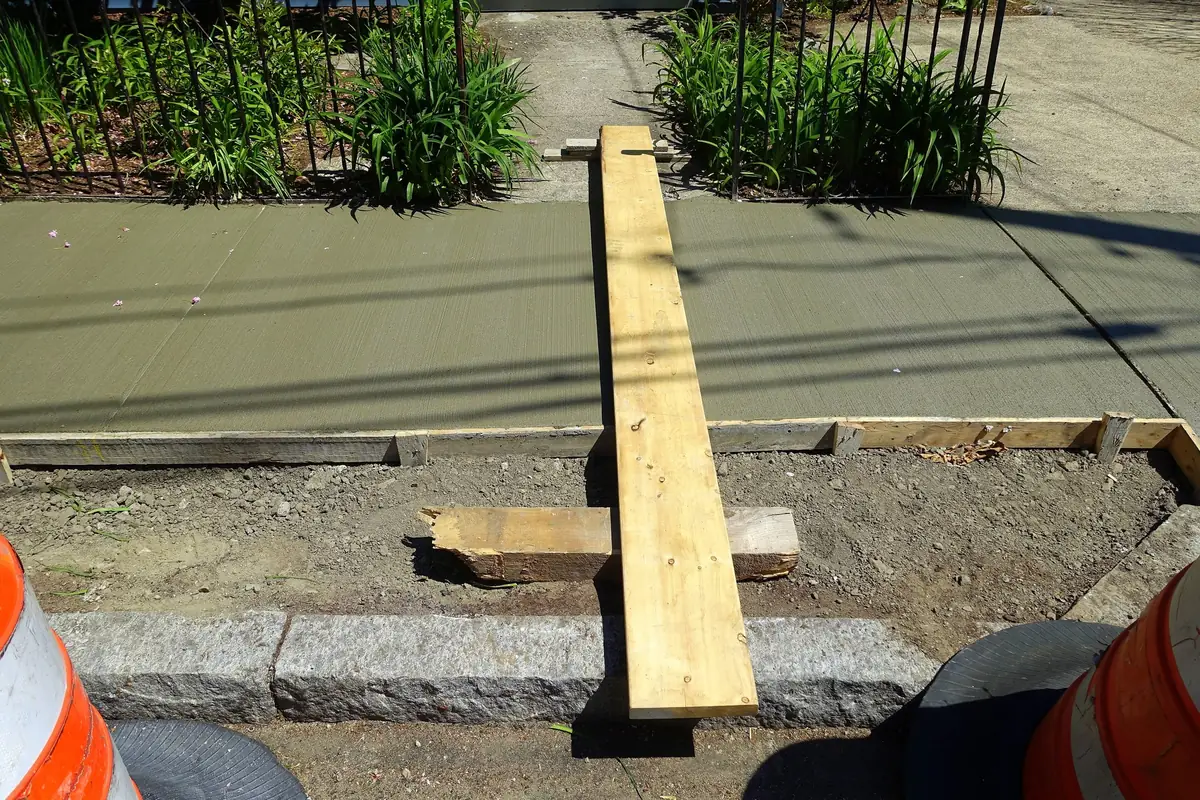
Curb and gutter carry Burbank's rain to the storm drains, and nearly all of the city's roughly 14 inches a year falls from December through March. A sunken gutter section holds water across a driveway entrance; a broken curb lets the parkway wash into the street. Both are rebuilt to the City's standard plan, and BMC 7-1-218 lets the City restore damaged curb, gutter or sidewalk at the permit holder's expense if the work falls short.
Driveway approaches follow their own limits: no wider than 17 feet in residential zones and 30 feet elsewhere under BMC 7-1-217, with 20 feet of curb between two driveways on one residential lot. Rebuilding an apron as part of a new driveway is covered on concrete driveway replacement in Burbank, and the Burbank driveway approach permit guide walks through new curb cuts.
Storefronts, apartment buildings and HOAs
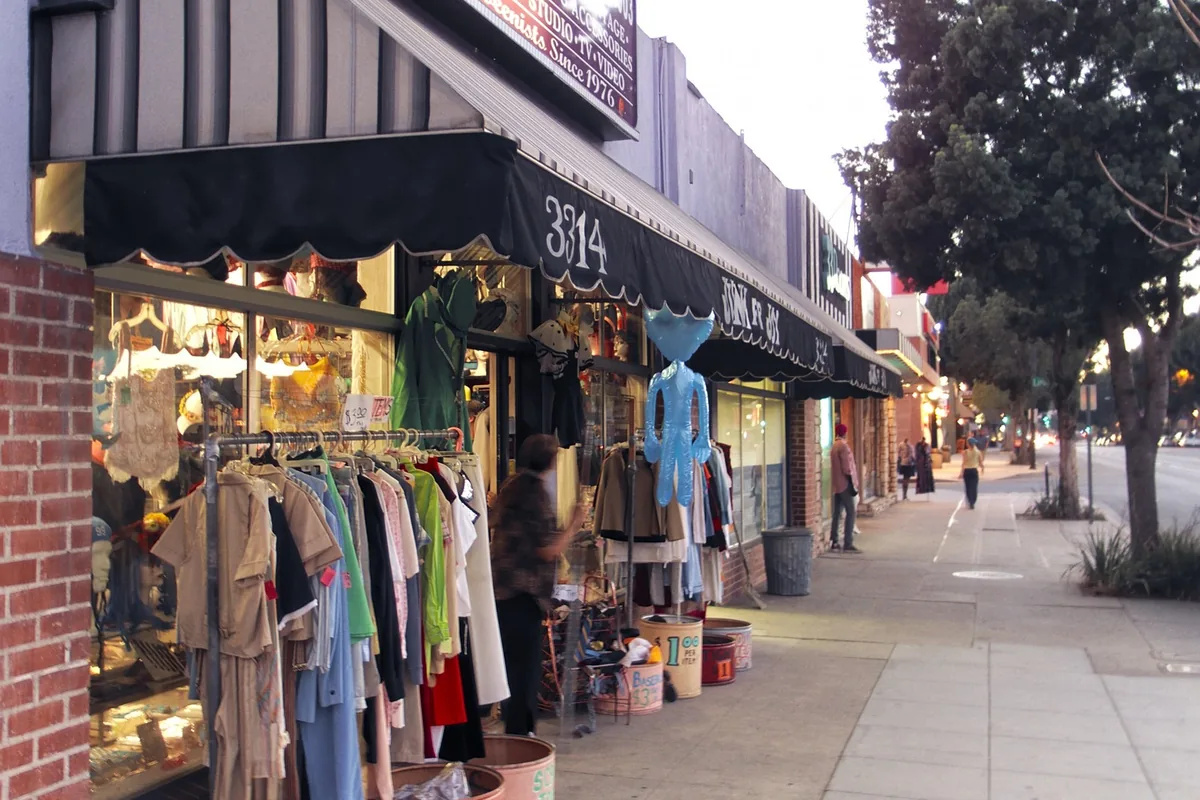
Commercial frontages carry more foot traffic and more exposure, so the rules about keeping access open matter more there. Lifted walks along shop rows, a trip edge at an apartment entrance, or a corner ramp that no longer meets the street flush are common calls. Ramps and landings are on the ADA concrete ramps in Burbank page, and walks, aprons and parking slabs on private property are on commercial concrete in Burbank. Large parking lot rebuilds can also trigger the City's stormwater planning rules; see the stormwater guide.
How a Burbank sidewalk job runs
- 1Walk the frontage
The damaged panels, curb and gutter are marked, along with every score line and the slope back to the curb, so the true replacement area is known before the permit.
- 2Permit paperwork
A DigAlert ticket, the $1,000,000 general liability certificate with the City endorsement, then the Public Works excavation permit with its fee and deposit.
- 3Saw-cut and remove
Concrete is cut at the score lines, broken out and hauled. Pedestrian and driveway access stays open unless the City approves another plan.
- 4Base and forms
The base is recompacted and backfilled to City Standard Plan BS-110-1, and forms set the walk to no more than a 2 percent fall toward the curb.
- 5Pour and match
New panels are placed and finished to match the existing sidewalk's texture; curb and gutter follow the City standard plan.
- 6Inspect and restore
Public Works inspects, the parkway is put back, and the deposit covers any restoration the City still needs.
Cracks on your own lot rather than in the street belong to concrete repair. For the full list of services, see the concrete contractor in Burbank overview.